
JOURNAL
The Ladakh Logs: Two Trips, Eight Years Apart, Three Published Articles
3 — Built on Roami
8 May 2026 · 7 min read
The first Ladakh trip was 2016. Self-driven, Srinagar highway, through Drass and Kargil. The kind of trip that changes how you think about distance and altitude and what a road can look like. We wrote about it at the time — a 2017 flashback post, a Kargil War Memorial piece — but the full Ladakh story never got a proper treatment.
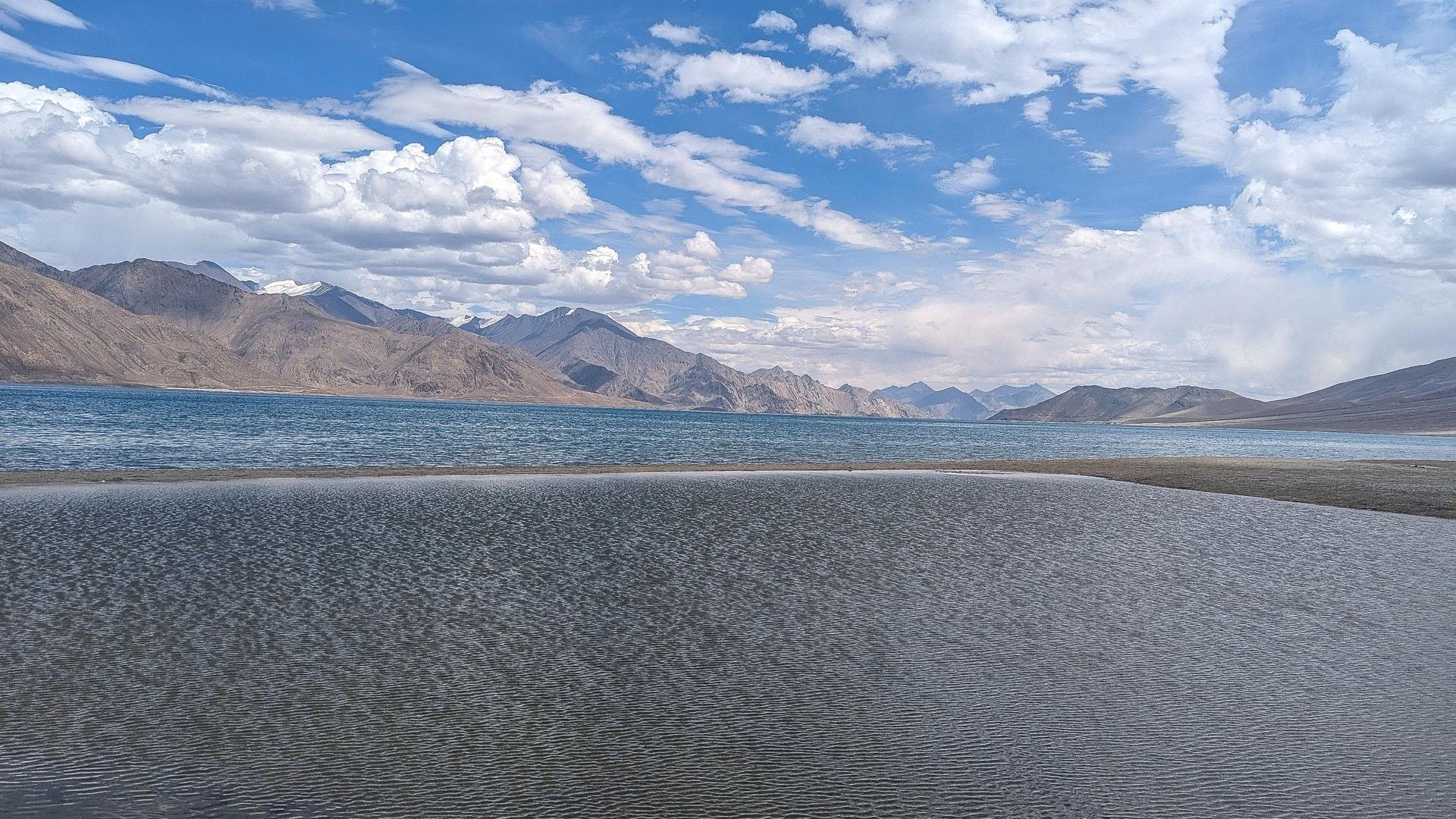
The second trip was August 2024. Flew into Leh this time. Nubra Valley, Pangong Tso, the Khardung La summit. The same mountains, a different decade, a different perspective on why you come back.
The two trips together — eight years of accumulation — became the material for three posts that couldn't have existed without both.
What the gap gave us
The interesting thing about returning somewhere eight years later is that you carry the previous visit as a reference. Every observation is comparative. The mountains are the same mountains. You are not the same person. The writing that emerges from that gap has a texture that a first visit can't produce.
We Went Back to Ladakh. It Was Still True. is built entirely around this comparison. It opens forty minutes before landing, the mountains appearing through the window, and the piece is structured around a single question: what did coming back reveal that the first trip couldn't?
That question only exists because there were two trips. A single-visit post about Ladakh produces a guide or a travelogue. A two-visit post produces something closer to a meditation — on the place, on the person who went, on what it means to return.
The material from each trip
Srinagar → Kargil → Leh, 10 days, self-driven. Logging: not systematic — photos, some notes after the fact.
- Kargil War Memorial — detailed notes, became its own post
- The road from Drass — specific enough to use
- First view of Leh — one clear memory-note
- Altitude: "Hit harder than expected around Khardung La"
Most of the daily texture — meals, conversations, small moments. This is what the 2017 flashback post reflects, broad strokes only.
Fly into Leh → Nubra Valley → Pangong Tso → Leh, 10 days. Logging: systematic — 44 entries across the trip.
- Leh Day 1-2: Acclimatisation, first impressions on return
- Drive to Nubra: Road conditions, specific villages, conversations
- Nubra Valley: 12 entries, most log-dense section
- Diskit monastery: Dawn entry, detail on the giant Maitreya Buddha
- Hunder sand dunes: One entry, honest about the tourist circus
- Pangong Tso: 4 entries, factual but thinner than Nubra
- Khardung La summit: "Colder than expected. Cannot feel fingers. Did not think I would make it back here."
- Return to Leh: Reflective entries, comparison with 2016 strong
Combined, material basis for three posts.
Post 1: The travelogue
We Went Back to Ladakh. It Was Still True. Published May 2026
This post came from the 2024 logs plus the memory of 2016. The scaffold proposed by the Roami agent organised the piece around the return structure — not "here's what we did" but "here's what we found when we came back."
The sections that worked best were the ones with the most log density: Nubra Valley (12 entries) and the Khardung La summit (the single entry that caught the emotional state exactly). The Pangong section was flagged as thin — four factual entries without personal material — and was edited to be honest about that rather than padded.
The comparison structure — 2016 vs. 2024 — came directly from reading the 2017 flashback post alongside the 2024 logs. The agent recognised the comparison was the story. It didn't need to be prompted for this.
Editing time: 45 minutes. The main work was the Pangong section and the closing, which needed more personal reflection than the logs provided.
Post 2: The guide
Ladakh Travel Guide: Everything You Need to Know Before You Go Published May 2026
The practical guide came from the same material but took a completely different form. Where the travelogue is interior and comparative, the guide is utility-first: how to get there, when to go, what to expect from altitude, the circuits worth doing, what the 2016 route offered versus flying.
Two-trip experience is particularly valuable for a guide. Single-visit guides have to be careful about what they don't know. A guide written after two visits can be confident: "The self-drive from Srinagar is the fuller experience — the landscape approaches Leh differently through Kargil and Drass than it does from the air. Do it if you have 12 days. Fly if you have 7."
That opinion requires having done both. The guide earns the reader's trust because the specificity signals real experience.
Editing time: 30 minutes. The practical information was well-covered in the logs; the main work was structuring the permit and logistics section.
Post 3: The Kargil piece
Remembering the Heroes: 25 Years of the Kargil War at the Kargil War Memorial
This post predates the current Roami pipeline — it was written from memory and older notes. But it's worth including here because it illustrates the value of the archive: the notes from the 2016 drive through Kargil, kept even in rough form, made a specific and honest post possible in 2026, nine years after the visit.
The post is about the war memorial at Dras, the specific experience of standing there on the approach to Leh, the weight of the place. That specificity — the particular feeling of arriving via the road that the soldiers defended — came from the notes. Without them, the post would have been generic.
The lesson: even rough notes from a decade ago are worth keeping. The archive has no expiry date.
What the three posts collectively do
This is what a content cluster looks like built from real experience rather than keyword research. The architecture comes from having been there twice with different purposes — the first trip as discovery, the second as return.
The eight-year gap as a content asset
The most counterintuitive thing about this case study is that the wait was productive.
If both trips had happened in the same year, the writing would have been richer in detail but thinner in perspective. The distance — eight years, different life circumstances, a return that was chosen rather than planned — is what gives the travelogue its substance. "It was still true" only means something if there was enough time for it to have possibly not been true.
This is something no amount of research or AI assistance can produce. The gap is the content. You just have to keep the logs from both ends of it.
Start keeping your travel logs →
Related: How Three Trips to Thailand Became Six Published Posts · From Raw Notes to Published Post: The Full Pipeline
Ready to connect your agent?
Try Roami free →