
JOURNAL
How Three Trips to Thailand Became Six Published Posts
3 — Built on Roami
7 May 2026 · 6 min read
WanderingBong.com runs on Roami. That's not a marketing line — it's literally true. The same CMS, the same AI pipeline, the same MCP server that Roami is built on has been running WanderingBong in production since 2024. Every Thailand post that went live in early 2026 came through that pipeline.
This is the case study.
The raw material
Three trips to Thailand over the course of a year. The first was December 2023 — a loop of Phuket, Koh Lanta, and Ao Nang. The kind of trip where everything is new and you're moving fast and you come back knowing you didn't do it right. We went back in August 2024. Slower this time, Krabi as a base, a week in Koh Samui. Then again, because apparently that's just what happens now.
Each trip was logged differently. The first one is mostly photos and one or two half-formed voice notes. The second is better — journal entries written in the evenings, specific enough to be useful. By the third trip, the logging was a habit: a few sentences after every significant moment, location attached, timestamp automatic.
By the time we sat down to write, the material existed. The question was what to do with it.
The six posts
Not all of them were planned. Some emerged from the material.
Three Trips to Thailand in a Year: How Krabi & Koh Lanta Became Our Reset The overview piece. Written after the third trip, when it became clear that Thailand had stopped being a destination and started being a habit. The angle — why you return somewhere rather than what's there — came directly from the logs. Without the logs from all three trips, there's no "year of returns" narrative. There's just a list of things we did.
Why We Went Back to Thailand The shorter companion piece. Originally a journal entry from the second trip. The opening line — the one about the specific kind of exhaustion that comes with the corporate life — was pulled nearly verbatim from a log written in the Ao Nang airport before boarding.
Ao Nang Krabi Travel Guide 2026: The Ultimate "Slow Travel" Itinerary The practical guide that took three trips to write properly. The first trip's notes would have produced a competent but thin guide. By the third trip, the guide had opinions — which bars are worth the uphill walk, what the beach is actually like versus what photos suggest, where to eat when you've run out of obvious options. Those opinions came from accumulation.
Koh Lanta for Digital Nomads: A Quiet Island Built for Remote Work This one came from a specific set of logs from the second trip where I'd been trying to work for a week. The angle wasn't planned — it emerged from reading through the logs and noticing that half of them were about finding places to sit with a laptop. The AI pulled that thread and built the structure around it.
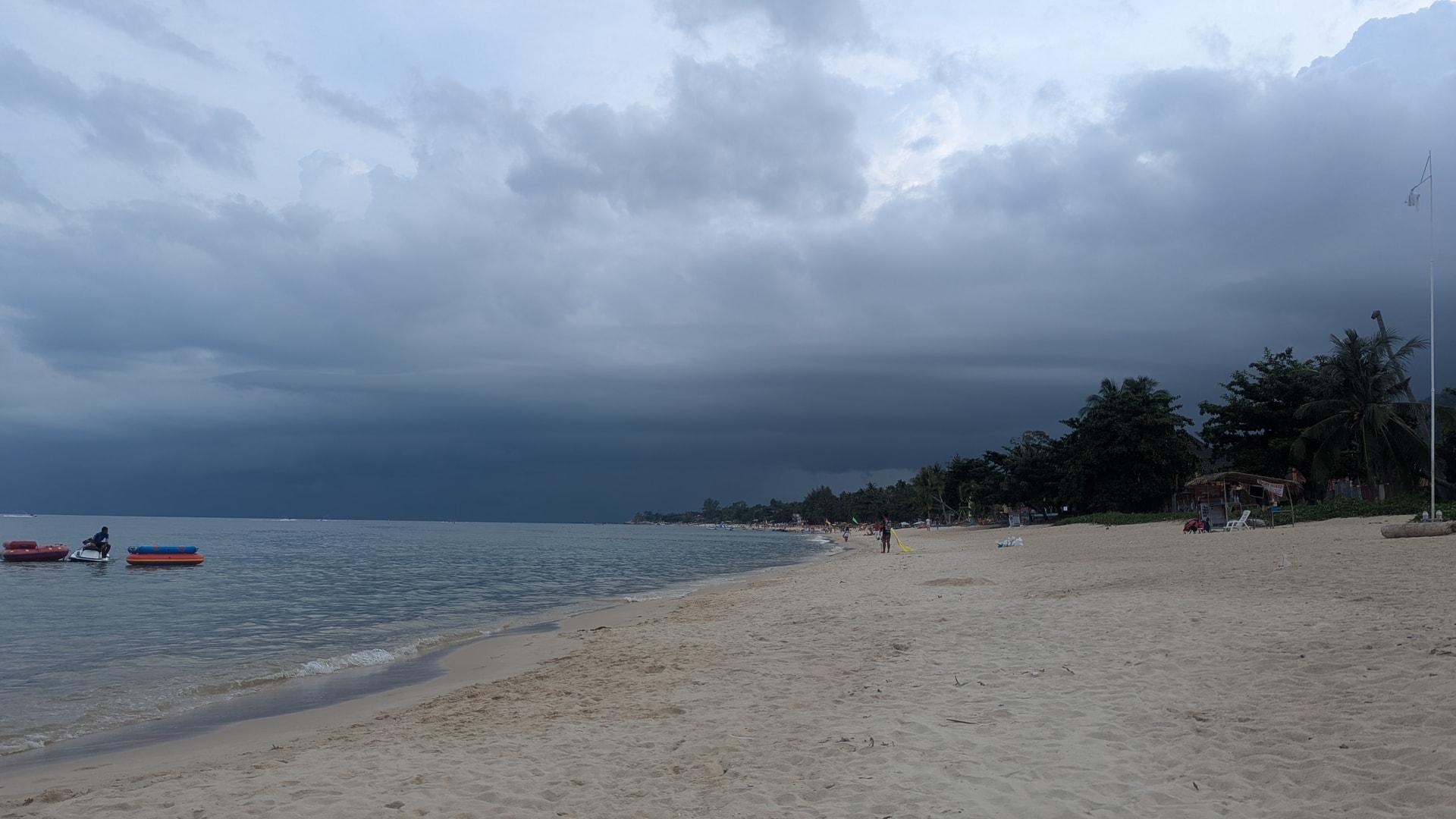
Lamai Beach, Koh Samui: Why It's Perfect for Long Swims and Slow Days A single-destination piece from Koh Samui. The original log entry was one sentence: "Lamai is quieter than Chaweng and that's basically all you need to know." The article expanded that comparison into something actually useful for a reader deciding between the two.
Thailand's Slow Coast The guide that ties the southern coast together — Ao Nang, Koh Lanta, Koh Samui as a circuit. Written last, after the other five existed. The agent had all five as context when drafting this one, which is why it reads as a capstone rather than a standalone.
How the pipeline actually worked
The process isn't magic. It's closer to having a very well-briefed editor who has read everything you've ever written.
For each post: the relevant journal logs went in, the agent had access to all the published WB posts for voice context, and the first draft came back. Then one round of editing — structural changes, things that were off, sections that needed a personal detail the logs didn't have.
The Ao Nang guide took about forty-five minutes of editing on top of the draft. The Koh Lanta nomad piece took twenty — the logs were specific enough that the draft was close. The Three Trips overview took longer because the structure needed a few passes to find the right emotional arc.
None of them took four hours. Most travel posts used to take four hours.
What the logs made possible
The Lamai Beach piece is a good example of something that wouldn't have existed without the logging habit.
Koh Samui wasn't the plan. We ended up there because a flight was cheaper. I wrote about Lamai Beach in the logs because it was where we spent most of our time and it kept surprising me — the swimmers, the low-key pace, the way it felt different from every other Thai beach we'd been to. Without those logs, Koh Samui would have stayed a footnote in the larger Thailand narrative. Instead it became its own piece, which now ranks for "Lamai Beach" and drives consistent traffic.
The logs don't just power the AI. They reveal what's worth writing about.
The Ladakh version
The Thailand case study is the most complete one — three trips, six posts, all through the pipeline. The Ladakh work tells a similar story. Two trips to the same place, years apart, produced a travelogue and a guide that couldn't have been written the same way after just one visit. The comparison is the substance.
That's the next case study. Read it here →
The honest version
This isn't a pitch for an AI writing tool that does the work for you. The writing still requires editing, judgment, and the actual experience of having been somewhere. The logs require the habit of writing them.
What the pipeline removes is the blank page problem — the gap between having material and having a publishable post. For a travel blogger with a backlog of trips and a full-time job, that gap is where the posts go to die.
Roami is built specifically for that gap.
Related: Why Your AI Travel Writing Doesn't Sound Like You · You're Going to Forget This Trip
Ready to connect your agent?
Try Roami free →